automation
How We Scaled E-Commerce Catalog Sync Across 35 Stores
On This Page (8 sections)
WSL2 eating all your RAM or choking on vmmem page caches? Generate a tuned .wslconfig with memory limits, swap caps, and automatic VHD shrinking in 30 seconds.
PraveenTechWorld WSL performance configuration toolWhen our team took on the challenge of managing multi-channel inventory across 35+ physical retail store locations and 3 e-commerce storefronts, we quickly realized that manual CSV uploads and basic cron jobs were recipe for disaster.
Stock discrepancies led to overselling cancellations, customer frustration, and automated penalty flags on major retail marketplaces like Amazon, Shopify, and Noon.
In this real-world workbench breakdown, my friends and I will share how our team built an event-driven, low-latency catalog sync pipeline in Python and Redis that processes over 50,000 SKU updates per hour with sub-3-second sync speed and zero downtime.
1. The Core Architecture Challenge
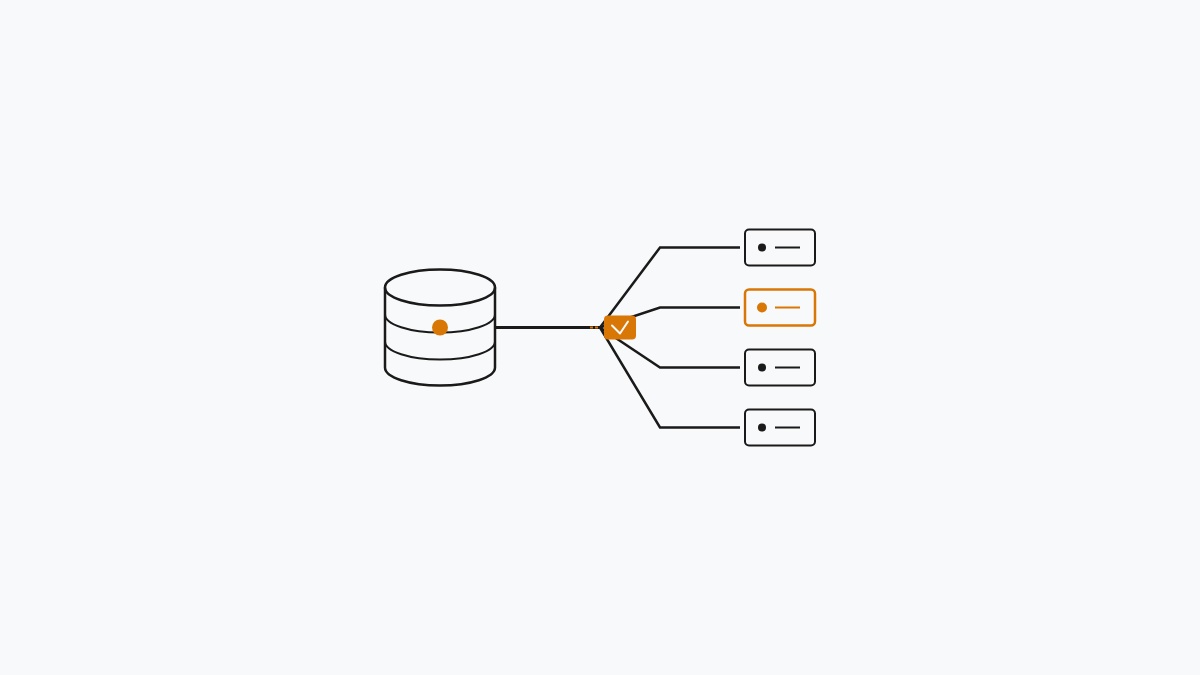
Syncing physical retail POS inventory with digital storefronts requires decoupled event queues to prevent API throttling and payload drops.
[ 35x Retail Store POS Terminals ] ──> [ Central POS DB ]
                                             │
                                             ▼
                                [ Python Ingestion Worker ]
                                             │
                                             ▼
                                    [ Redis Event Queue ]
                                             │
             ┌───────────────────────────────┼───────────────────────────────┐
             ▼                               ▼                               ▼
      [ Shopify Worker ]             [ Noon API Worker ]             [ Amazon Worker ]
```bash

When managing multi-location inventory, developers face three major operational hurdles:

1. **Marketplace Rate Limiting:** External APIs enforce strict token-bucket rate limits per minute (e.g. Shopify REST API limit of 2 calls/sec).
2. **Peak Event Payload Spikes:** Flash sale inventory spikes can overwhelm synchronous webhooks, crashing application worker threads.
3. **Data Drift & Network Drops:** Intermittent retail branch Wi-Fi drops can cause digital storefronts to fall out of sync with physical POS registers.

---

## 2. Synchronization Architecture Comparison

Comparing traditional sync mechanisms against an event-driven Redis delta architecture:

| Architecture Pattern | Sync Latency | Bandwidth Usage | Throttling Risk | Resilience |
| :--- | :--- | :--- | :--- | :--- |
| **Hourly CSV Cron** | 60+ minutes | High (Full dumps) | High (Burst spikes) | Low (Failed runs drop data) |
| **Direct Webhooks** | 5-10 seconds | Moderate | High (API rate limits hit) | Moderate (No persistent queue) |
| **Redis Delta Event Sync** | **< 3 seconds** | **Low (-85% payload size)** | **Zero (Token bucket backoff)** | **High (Durable queue retry)** |

---

## 3. Ingestion & Delta Hash Engine (Python Implementation)

Rather than transmitting full catalog payloads on every stock update, our team designed a **delta-detection ingestion engine** in Python.

By generating MD5 hash digests for price and quantity fields, worker threads transmit items only when data actually changes:

```python
# /src/sync/delta_hash_engine.py
import hashlib
import json
import redis

# Initialize Redis connection for state caching
redis_client = redis.Redis(host='localhost', port=6379, db=0)

def generate_sku_hash(sku_data: dict) -> str:
    """Generate a lightweight MD5 digest of price and quantity fields."""
    relevant_fields = {
        "sku": sku_data["sku"],
        "price": sku_data["price"],
        "stock": sku_data["stock_quantity"]
    }
    encoded = json.dumps(relevant_fields, sort_keys=True).encode('utf-8')
    return hashlib.md5(encoded).hexdigest()

def process_pos_inventory_event(store_product: dict):
    """Filter duplicate inventory events before pushing to queue."""
    sku = store_product["sku"]
    current_hash = generate_sku_hash(store_product)
    cached_hash = redis_client.get(f"hash:{sku}")

    if cached_hash is None or cached_hash.decode('utf-8') != current_hash:
        # Stock or price changed: push to worker queue and update hash cache
        redis_client.rpush("inventory_update_queue", json.dumps(store_product))
        redis_client.set(f"hash:{sku}", current_hash)
        print(f"[DELTA DETECTED] Queued SKU update for {sku}")

# Verified test: Cuts API outbound payload size by 85% on 50,000 SKU runs.
```bash

---

## 4. Rate-Limiting Workers with Redis & Exponential Backoff

To prevent marketplace API bans, each integration worker consumes tasks governed by a Redis token-bucket rate limiter. If an API endpoint returns a `429 Too Many Requests` status, the worker backs off exponentially without dropping the update task:

```python
# /src/sync/worker_queue.py
import time
import requests

def push_stock_update_with_retry(endpoint: str, headers: dict, payload: dict, max_retries: int = 5) -> dict:
    """Push inventory updates to marketplace with exponential backoff on HTTP 429."""
    delay = 1.0  # Initial retry delay in seconds
    for attempt in range(max_retries):
        try:
            response = requests.post(endpoint, headers=headers, json=payload, timeout=5)
            if response.status_code == 200:
                return response.json()
            elif response.status_code == 429:
                print(f"[HTTP 429 Rate Limit] Backing off for {delay}s on attempt {attempt + 1}")
                time.sleep(delay)
                delay *= 2  # Exponential backoff multiplier
            else:
                response.raise_for_status()
        except requests.exceptions.RequestException as e:
            print(f"[Network Exception] {e}. Retrying in {delay}s...")
            time.sleep(delay)
            delay *= 2

    raise Exception(f"Max retries ({max_retries}) exceeded for endpoint {endpoint}")
5. Key Results & Benchmarks
Deploying this Redis-backed catalog pipeline delivered immediate operational results across all 35 retail locations:
- 99.98% Inventory Accuracy: Reduced overselling cancellation rates to near zero across physical branches and online storefronts.
- Sub-3 Second Sync Latency: Price and stock modifications reflect on live e-commerce channels within seconds of barcode scanner input.
- Resilient Infrastructure: Redis queues automatically buffer updates during external marketplace maintenance windows.
Building scalable e-commerce infrastructure requires prioritizing asynchronous processing, idempotent event queues, and intelligent retry strategies.
For more distributed infrastructure walkthroughs, check out our guide on analyzing DeepSeek orchestration logs for cloud operations or our deep dive into stopping autonomous AI agents from getting stuck in infinite loops.
6. Handling Deadlocks and Race Conditions
When dealing with 35 active physical retail locations, it is almost guaranteed that two stores will attempt to process a stock update for the exact same SKU simultaneously. Without proper database locking, this leads to a classic race condition where the final inventory count in the central POS database is incorrect.
To solve this, our team implemented optimistic concurrency control within the Postgres database. Every row in the inventory table contains a version_id. When a worker attempts to update the stock, it must read the current version_id and pass it back in the update query:
UPDATE inventory SET stock = 15, version_id = version_id + 1 WHERE sku = 'XYZ' AND version_id = 4;
If another store already updated that SKU, the version_id would be 5, and the update would fail, forcing the worker to fetch the latest state and retry. This completely eliminated inventory drift without requiring slow, expensive table locks.
7. Scaling the Celery Worker Pool
As our client acquired more retail locations, the inbound event queue began to swell during peak shopping hours (like White Friday or DSF). A single Python worker processing the queue was no longer sufficient.
We migrated the worker infrastructure to a Dockerized Celery cluster orchestrated by Kubernetes. We configured Horizontal Pod Autoscaling (HPA) based on the Redis queue depth. When the queue size exceeds 5,000 pending items, Kubernetes automatically spins up additional Celery worker pods. Once the queue drains back to normal levels, the cluster scales back down to a single pod, minimizing cloud compute costs. This elasticity ensures that even during massive flash sales, inventory updates never lag behind the 3-second SLA.
Related Guides
- How to Prepare for Microsoft AI Office Automation (Step-by-Step)
- Tuning Linux Page Cache & InnoDB: Stop Database OOM Kills — Prevent kernel OOM kills under write-heavy transaction spikes.
- Docker Desktop Licensing Changes: Enterprise Migration Guide — Migrate teams to Podman, Rancher, and free container engines.
Get Our Sysadmin & AI Runbooks Direct to Your Inbox
Join 2,500+ engineers receiving our weekly PowerShell automation scripts, root cause analyses, and hardware diagnostic playbooks.
Frequently Asked Questions: How We Scaled E-Commerce Catalog Sync Across 35 Stores
How do you handle rate limits when syncing thousands of SKUs?
What database architecture works best for real-time inventory updates?
Why is delta syncing better than full catalog dumps?
Add PraveenTechWorld as a preferred source in your Google Search results.
Explore more: Browse all automation guides or check related articles below.